Chiang Kai-shek Memorial Hall at Night: A Different Side of Taipei
Taipei is a city that feels different depending on the time of day. In the morning, its streets fill with commuters, food vendors prepare for the day ahead, and popular landmarks welcome visitors eager to explore Taiwan’s history and culture. By evening, the city takes on a different rhythm. The crowds begin to shift, the air can feel more comfortable, and familiar places become interesting subjects for photography.
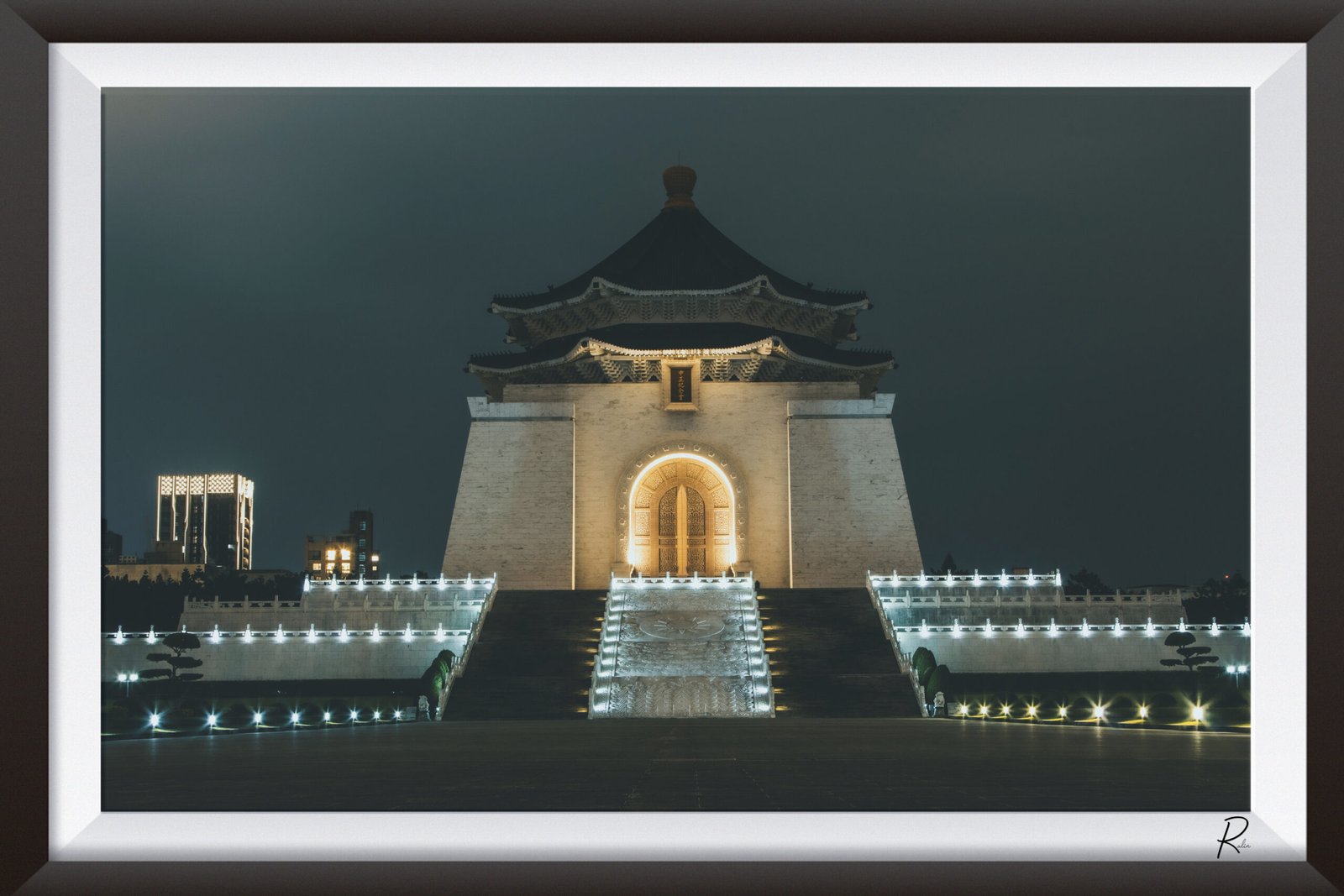
One landmark worth considering for an evening walk is Chiang Kai-shek Memorial Hall. Located in central Taipei, this monumental structure is known for its striking blue roof, white walls, broad staircases, and spacious plaza. It is one of the city’s most recognizable historical attractions, but the surrounding Liberty Square also offers a different perspective when visited near sunset or after dark.
For travelers who have already explored Taipei’s night markets and shopping districts, visiting the memorial grounds in the evening can provide a quieter change of pace. Instead of concentrating on shopping, food, or entertainment, you can slow down, appreciate the architecture, and observe a public space closely connected to Taiwan’s history.
However, there is one important distinction to remember: the outdoor plaza and the memorial building do not necessarily share the same opening hours. The official Taipei tourism listing gives the memorial hall’s opening hours as 9:00 AM to 6:00 PM daily, subject to closures. An evening visit should therefore be planned around the accessible outdoor areas rather than an expectation of entering the building after closing.
Whether you are interested in photography, architecture, local culture, or simply finding somewhere different to walk in Taipei, this guide explains how to plan a worthwhile visit to Chiang Kai-shek Memorial Hall at night.
Why Visit Chiang Kai-shek Memorial Hall at Night?
There are plenty of reasons to visit this landmark during the day. Visitors can explore its historical displays, see the monument from close range, and learn about an important chapter in Taiwan’s modern history.
An evening visit offers a different purpose.
1. Experience the monument from a different perspective
During daylight, the white exterior and blue roof stand out clearly against the sky. At night, the experience depends more heavily on the available lighting, the weather, and the surrounding environment.
The building’s scale is particularly noticeable when viewed from a distance. Standing across the plaza allows you to appreciate its symmetry and its position at the end of the broad central axis.
Rather than immediately walking toward the staircase, take a moment to look back at the entire scene. The relationship between the memorial, the open plaza, and the surrounding buildings is an important part of what makes this landmark distinctive.
Keep in mind that nighttime illumination can vary. Do not assume that every facade, garden, or architectural feature will be illuminated throughout the evening.
2. Enjoy a spacious outdoor setting
Chiang Kai-shek Memorial Hall stands at the eastern end of Liberty Square, a large public space in Taipei.
Unlike a narrow shopping street, the plaza offers broad sightlines and room to appreciate the architecture from several angles. This makes it a useful stop for travelers who want a break from the busy atmosphere of central Taipei.
The experience will depend on when you arrive. Public events, maintenance, crowd levels, and temporary restrictions may affect which areas are accessible.
If the space is relatively quiet during your visit, use the opportunity to walk slowly, observe the surrounding architecture, and enjoy the contrast between the monument and the city’s everyday activity.
3. Take architectural photographs
The memorial’s blue-and-white design provides a strong subject for travel photography.
A wide-angle photograph can emphasize the scale of the building, while a more tightly framed composition can highlight its roofline, staircase, and geometric details.
At night, look for opportunities to photograph the building against the evening sky. If the lighting conditions allow, try a composition that includes both the monument and the open foreground.
You do not need expensive equipment to create interesting photographs here. A smartphone can be sufficient, especially if you stabilize it and avoid relying excessively on digital zoom.
4. Add a cultural stop to your Taipei itinerary
Many Taipei itineraries revolve around food, shopping, and modern landmarks. Chiang Kai-shek Memorial Hall offers another perspective.
The site is connected to Taiwan’s political history, public memory, and democratic development. Liberty Square has also served as a venue for public gatherings and civic events. The official Taiwan tourism authority describes the plaza as part of the wider story of Taiwan’s evolution toward greater openness and democracy.
Even if you visit after the memorial building has closed, understanding this context can make the surrounding space more meaningful.
What Makes Liberty Square Special After Dark?
Liberty Square, known in Chinese as 自由廣場, is the expansive public plaza in front of the memorial hall. It is an essential part of the setting rather than merely an empty foreground for photographs.
The square connects several major architectural elements, including the memorial, the National Theater, and the National Concert Hall. These buildings give the area a distinctive character that differs from Taipei’s commercial districts.
The blue-and-white memorial building
The memorial hall’s design draws attention through its contrasting colors and monumental proportions. Its white exterior and blue roof are associated with the colors of the Republic of China flag, as described by Taiwan’s official tourism information.
During an evening walk, look at the structure from several distances. A close viewpoint emphasizes its architectural details, while a distant viewpoint makes the building appear as part of a much larger civic landscape.
For photography, the central axis is particularly useful because it allows you to create balanced compositions. Try positioning the building in the center of the frame, then take another photograph that places it slightly off-center.
Both approaches can work, depending on the surrounding conditions.
The Liberty Square Arch
The Liberty Square Arch is another recognizable architectural feature in the wider area.
If you have enough time and the route is accessible, include the arch in your walk. It gives you a different perspective on the site’s layout and provides an alternative photographic subject.
Rather than treating the arch and memorial as separate destinations, consider how they relate to the square as a whole.
For a travel blog, photographs of both structures can also help readers understand the scale of the complex more clearly than a single close-up image.
National Theater and National Concert Hall
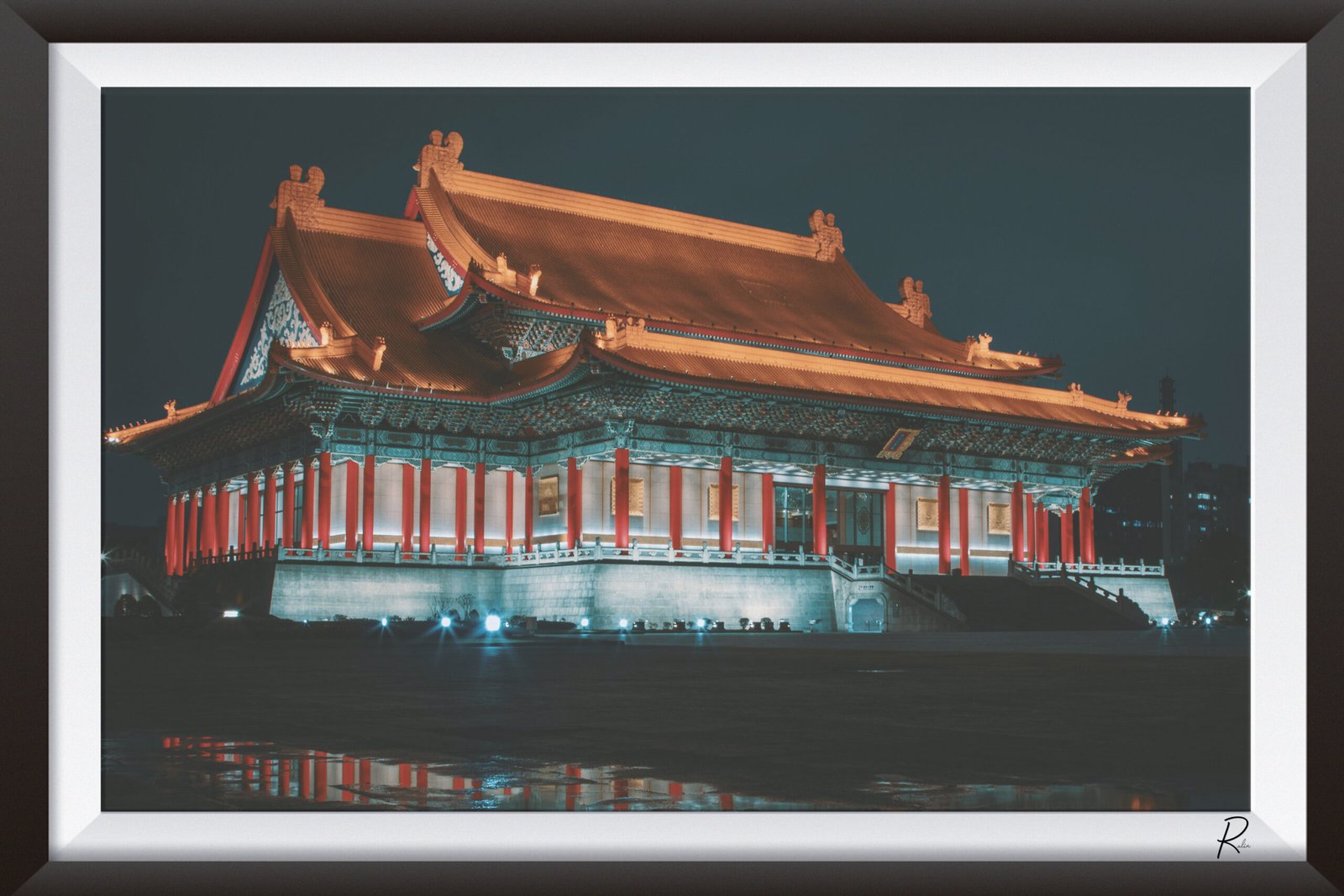
The National Theater and National Concert Hall stand on opposite sides of Liberty Square. Their traditional Chinese-inspired architectural styles create an interesting contrast with the open plaza.
These buildings are worth noticing even if you are not attending a performance. From outside, you can appreciate their rooflines, decorative features, and relationship to the surrounding landscape.
However, an exterior visit should not be confused with access to their interiors. Performance schedules, entrances, and opening arrangements depend on the venue and the event.
If you are interested in attending a concert or theatrical production, check the official venue websites for current programs and ticket information before planning your evening around them.
The gardens and surrounding paths
The landscaped areas add another dimension to the memorial complex.
Depending on the season and the areas open to visitors, you may encounter trees, planted spaces, and paths that provide a more relaxed contrast to the grand architecture.
These spaces can be appealing if you prefer a leisurely walk rather than spending the entire visit taking photographs of the monument.
Remember that visibility, lighting, and access vary by location. Stay on designated paths, respect any posted restrictions, and avoid entering closed areas simply to obtain a particular photograph.
Best Time to Visit for Evening Photography
The best time for photography depends on whether you prefer natural light, the transition from daylight to darkness, or nighttime architectural compositions.
Late afternoon: the most flexible option
If you want to see the monument in daylight and remain for the evening atmosphere, late afternoon is a practical starting point.
Arriving before the memorial hall closes gives you an opportunity to appreciate the building while it is still open, subject to the day’s schedule. You can then continue to explore the accessible outdoor areas if they remain open.
The advantage is flexibility. You are not depending entirely on nighttime lighting to appreciate the architecture.
Before leaving, check the official opening information and any current notices, particularly if your trip coincides with a public holiday or a special event.
Around sunset: a transition in atmosphere
The period around sunset can offer interesting photographic conditions as the sky changes color.
During this time, the building may stand out against a warmer or darker background, depending on the weather and season. The square can also look different as natural light fades.
There is no single sunset arrival time that works throughout the year. Check the local sunset time for your travel date, then arrive early enough to find a suitable viewpoint.
Cloudy weather can create a softer atmosphere, while clear conditions may produce stronger contrasts between the monument and the sky.
After dark: focus on composition
After dark, available light becomes more important.
Before taking photographs, look for areas where the building is visible without being obscured by shadows or distracting foreground elements. If lighting is limited, experiment with different compositions rather than assuming the entire structure will be bright enough for a clear photograph.
A tripod may be helpful where permitted, but it is not essential. A phone’s night mode or a camera’s longer exposure can improve results, provided the device remains steady.
Be considerate of other visitors, especially when setting up photography equipment in busy public areas.
What about crowds?
Crowd levels can vary significantly by weekday, weekend, holiday, and event schedule.
It would be misleading to promise that the square will be empty at night. Instead, if your goal is to take photographs without many people in the frame, allow some flexibility and wait for a clearer moment.
A few people in the foreground are not necessarily a problem. They can help communicate the scale of the monument and give the photograph a sense of place.
How to Get to Chiang Kai-shek Memorial Hall
By MRT
The simplest option for many travelers is the Taipei Metro.
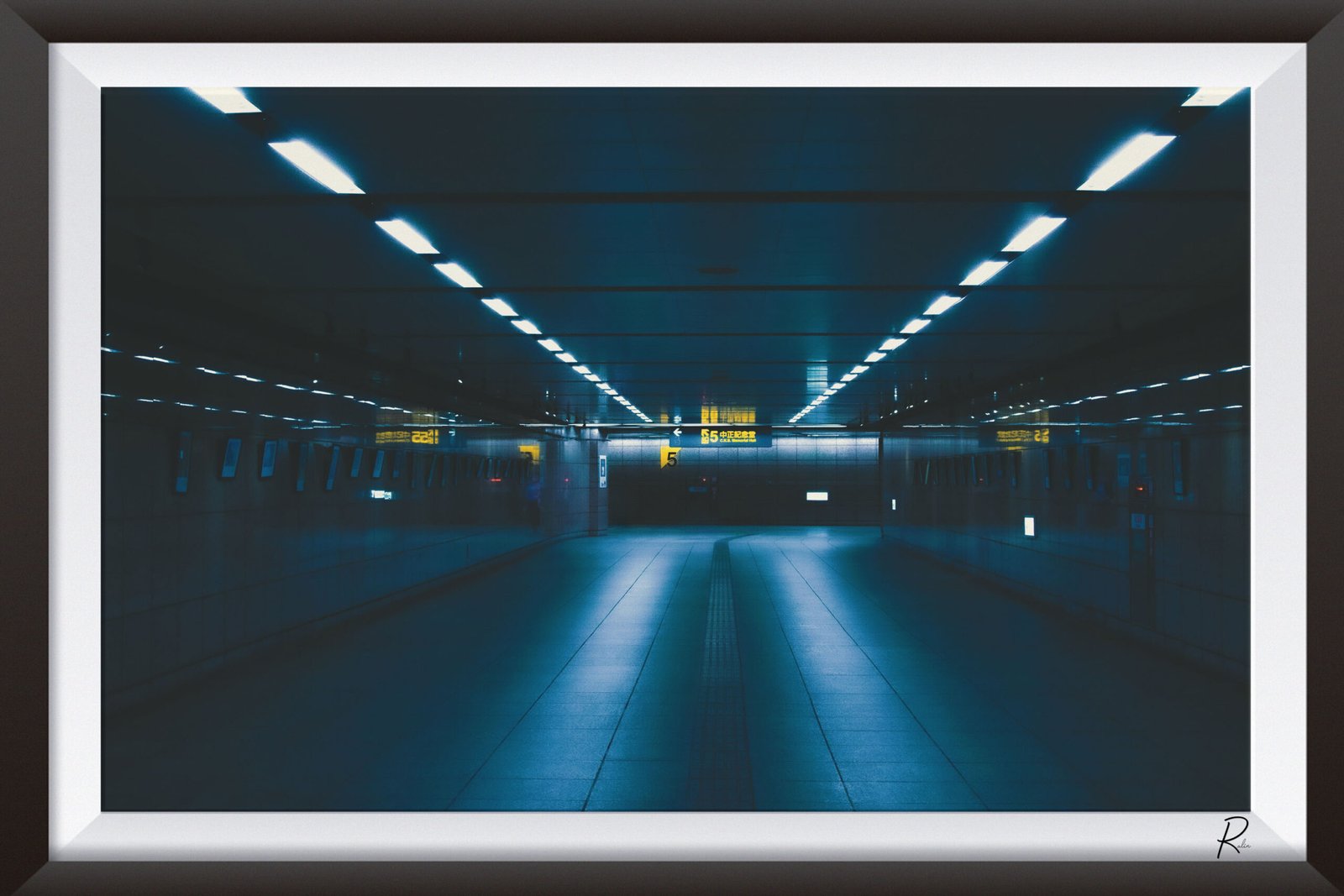
Take the Red Tamsui–Xinyi Line or the Green Songshan–Xindian Line to Chiang Kai-shek Memorial Hall Station. Taipei’s official tourism listing identifies this station as a nearby transit connection.
From the station, follow the signs toward the memorial and the relevant plaza entrance. Check station exit information when planning your route, because your preferred approach may depend on which part of the complex you want to see first.
For an evening visit, the MRT is often a practical option because you can avoid the uncertainties of driving and parking in central Taipei.
Nevertheless, check the operating hours and last-train information for your intended return journey. These details can vary according to the route, direction, and service arrangements.
By taxi or ride-hailing service
A taxi or ride-hailing service may be more convenient if you are traveling with family, carrying camera equipment, or staying somewhere that requires several transfers by public transport.
Use the official English name or the Chinese name, 中正紀念堂, when entering the destination into your navigation app.
Ask to be dropped off at a permitted location rather than assuming a vehicle can stop directly beside the monument.
On foot from nearby neighborhoods
If your accommodation is within walking distance, consider approaching the memorial as part of a wider evening stroll.
Taipei has pedestrian routes connecting many of its central districts, although the comfort of a walk depends on road crossings, weather, and the route you choose.
Use a navigation app to assess the actual distance from your accommodation rather than estimating it from a map image.
For a first-time visit, I would prioritize the MRT or a clearly mapped walking route. Both make it easier to focus on the experience instead of worrying about parking.
Practical Tips for Your Night Visit
A little preparation can make your visit more comfortable, especially if you are unfamiliar with Taipei.
Check the opening hours before you leave
This is the most important planning detail.
The official Taipei tourism website lists the memorial hall’s opening hours as 9:00 AM to 6:00 PM daily. It also provides the address and visitor information. These hours refer to the attraction itself and should not be interpreted as a guarantee that every outdoor area will remain accessible late into the night.
Before visiting, check the official Chiang Kai-shek Memorial Hall website for closure notices, maintenance announcements, and other restrictions.
If you want to explore the interior, arrive with enough time before closing. If your main goal is evening photography, verify access to the outdoor areas separately.
Prepare for Taipei’s weather
Taipei can be humid and rainy, and the weather can change during the day.
Bring a compact umbrella or lightweight rain jacket when the forecast suggests rain. Comfortable walking shoes are also useful because exploring the plaza and surrounding paths may involve a considerable amount of walking.
After rain, paved surfaces can become slippery. Take extra care around steps and other smooth surfaces, particularly when photographing at night.
Bring the right photography equipment
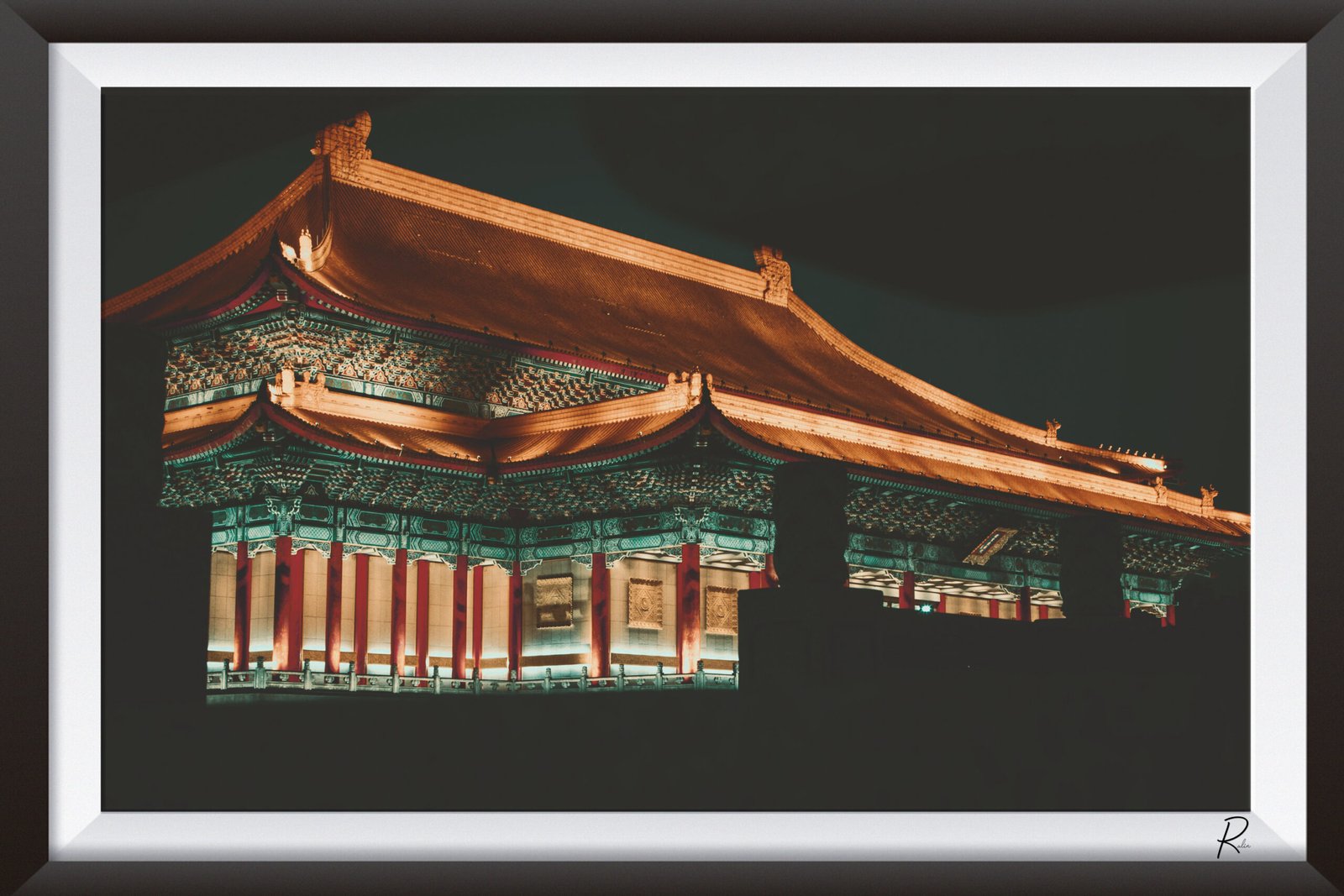
You do not need a professional camera to enjoy this location.
A smartphone with a night photography mode is a good starting point. If you use a dedicated camera, consider bringing a fast lens or a small tripod if equipment is permitted.
Try these simple techniques:
– Use the widest practical view to capture the scale of the monument.
– Keep the camera steady in low light.
– Avoid excessive digital zoom.
– Take several photographs with different compositions.
– Review your images before leaving so you can correct any obvious problems while you are still at the location.
Respect the site’s historical significance
Chiang Kai-shek Memorial Hall is more than a photogenic building. It commemorates a historically significant and politically contested figure in Taiwan’s modern history.
Chiang Kai-shek led the Republic of China government in Taiwan during a period that included martial law. The memorial and Liberty Square are connected to broader discussions about history, political memory, and Taiwan’s democratic development.
Approach the site with curiosity and respect. If you are interested in its background, read about the memorial’s history before visiting rather than relying only on photographs or simplified travel descriptions. Keep your return journey in mind An evening visit is more enjoyable when you know how you will get home.
Check your accommodation’s location, the MRT route you intend to use, and the last available services before you leave. If you plan to continue to a night market or restaurant, account for the additional travel time.
You should also keep your phone charged, especially if you depend on navigation apps or plan to take many photographs.