
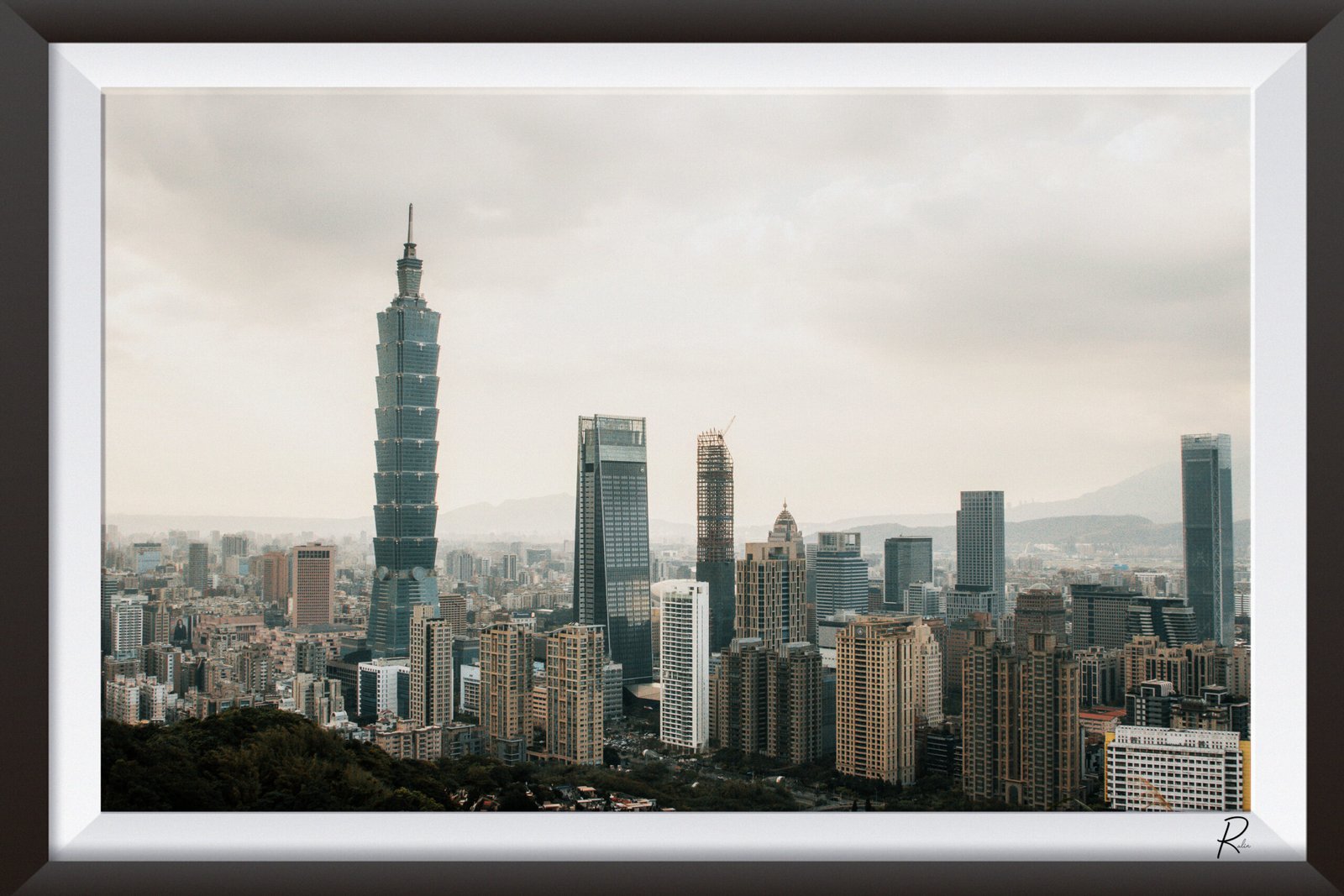
Elephant Mountain Taipei: A Personal Guide to Hiking Xiangshan

There are many ways to enjoy Taipei, Taiwan. You can explore its busy night markets, spend an afternoon in a cosy café, visit historic temples, or admire the city from the top of a skyscraper. But if you want to see Taipei from a different perspective, there is another experience worth adding to your travel list: hiking Elephant Mountain, also known as Xiangshan (象山).
What makes Elephant Mountain special is its combination of nature and city views. The trail takes you uphill through a green, wooded area, while the reward is a beautiful panorama of Taipei, with Taipei 101 standing proudly among the surrounding buildings.
You do not need to plan a full day in the mountains to enjoy this experience. Elephant Mountain is close to the city’s public transportation network, making it a practical choice for travellers who want to combine a little exercise with sightseeing and photography.
Still, there are a few things worth knowing before you go. The trail includes many steps, the climb can feel challenging on a humid day, and the popular viewpoints can become busy around sunset.
In this guide, I’ll cover what to expect, how to reach the trail, when to visit, how long the walk takes, and how to make the most of your time at Elephant Mountain Taipei.
Discovering Elephant Mountain (Xiangshan) in Taipei
Elephant Mountain is a well-known hiking destination in Taipei’s Xinyi District. Its Mandarin name, Xiangshan (象山), translates to “Elephant Mountain.” It forms part of the city’s wider network of hills and walking trails, yet it feels surprisingly close to Taipei’s modern urban landscape.
The mountain is especially famous for its views of Taipei 101 and the surrounding skyline. From selected viewpoints along the trail, you can look across the buildings of Xinyi District and see how the city spreads into the distance.
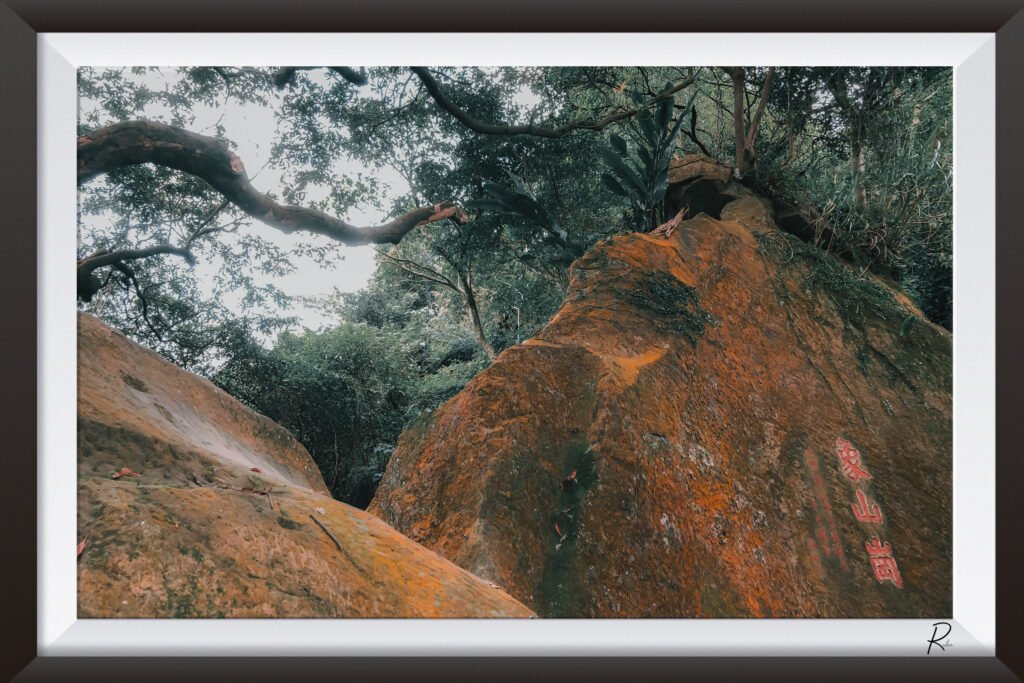
That contrast is one of the reasons I find this kind of destination so appealing. Taipei is often associated with shopping malls, busy roads, restaurants, and lively streets. On Elephant Mountain, the experience changes. There are trees, stone steps, fresh air, and moments when the city seems to sit quietly below you.
Of course, Elephant Mountain is not a remote wilderness escape. It is a popular urban hiking trail, and that is part of its charm. You can spend time outdoors without travelling far from the city centre.
The official Taipei Travel website lists the trail as open around the clock. However, weather, maintenance, or safety measures can affect access, so it is sensible to check official information before setting out.
Why Elephant Mountain Is Worth Visiting
The biggest reason to visit Elephant Mountain is the view. Taipei has plenty of places where you can see its skyline, but a hillside viewpoint offers a different feeling from looking out through the windows of a tall building.
From the trail’s well-known viewpoints, Taipei 101 becomes the centrepiece of the scene. The tower rises above the surrounding buildings, while the wider city stretches towards the mountains. On a clear day, the contrast between the urban landscape and the green hills can be particularly rewarding.
Another reason to go is the hike itself. You do not need advanced hiking skills or specialist equipment for the main route, although you should be comfortable walking uphill and climbing stairs. The experience offers a small physical challenge without requiring a trip far outside Taipei.
Elephant Mountain also works well for different kinds of travellers:
- First-time visitors: It is a memorable way to see Taipei beyond its main shopping and sightseeing areas.
- Photography lovers: The viewpoints offer opportunities to photograph Taipei 101 and the city skyline.
- Outdoor enthusiasts: The main trail can be part of a longer walk through the surrounding hill trails.
- Budget-conscious travellers: You can enjoy the outdoor scenery without buying a ticket to a commercial observation deck. Check local notices for any temporary access restrictions before visiting.
If your time in Taipei is limited, Xiangshan can fit into a half-day plan. You could explore the surrounding Xinyi area before the hike, enjoy the view, and then return to the city for dinner.
What Is the Elephant Mountain Hike Like?
The first thing to understand about the Elephant Mountain hike is that it is short compared with a full-day mountain trek, but it is not completely effortless.
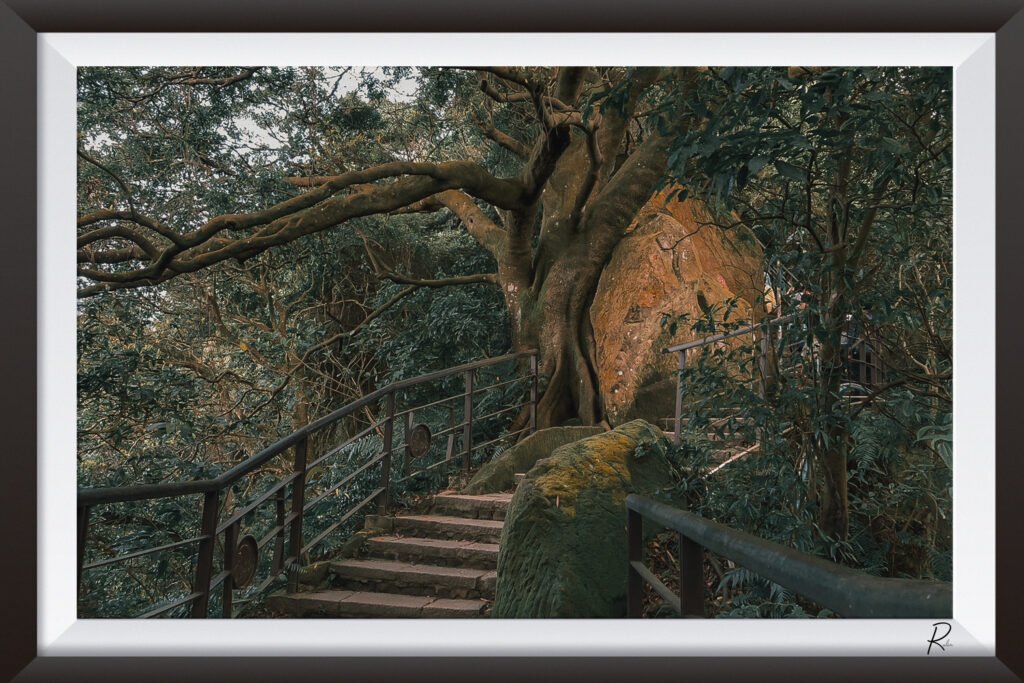
The main trail includes many stone steps and uphill sections. The climb can feel harder than expected, particularly when the weather is warm and humid. If you are not used to climbing stairs, take your time rather than treating it like a race.
I would approach Elephant Mountain as a relaxed walk with a destination, not a fitness challenge. There is no need to hurry. Stop when you need to catch your breath, drink some water, and enjoy the greenery around you.
As you climb, the surroundings gradually change. The trees provide a break from the busy streets below, and openings along the route offer glimpses of the city. Many visitors pause at viewpoints to take pictures or simply enjoy the scenery.
The famous rock viewpoints are among the most recognisable photo locations on the mountain. They can attract a lot of visitors, especially during the late afternoon. Follow posted safety instructions and avoid climbing onto rocks where it is prohibited or unsafe. A photograph is never worth risking a fall.
The official Taipei Travel listing describes the Xiangshan hiking trail as approximately 1.5 kilometres, with a total route of around 2.3 kilometres and an estimated walking time of about 1 hour and 40 minutes. Your own time may vary depending on your route, pace, breaks, and how long you stay at the viewpoints.
The View of Taipei 101 from Xiangsha
For many travellers, Taipei 101 is the main reason to visit Elephant Mountain. The tower is one of Taipei’s most recognisable landmarks, and seeing it from the hillside creates a memorable cityscape.
From the right viewpoint, you can frame Taipei 101 against the surrounding buildings and distant hills. The view also changes with the light. During the day, the city looks clearer and more detailed when the weather cooperates. In the late afternoon, the light can become softer, adding warmth to the buildings and skyline.
After sunset, the city takes on a different atmosphere as buildings and streets begin to light up. The transition from daylight to dusk is one of the reasons many people choose to hike in the late afternoon.
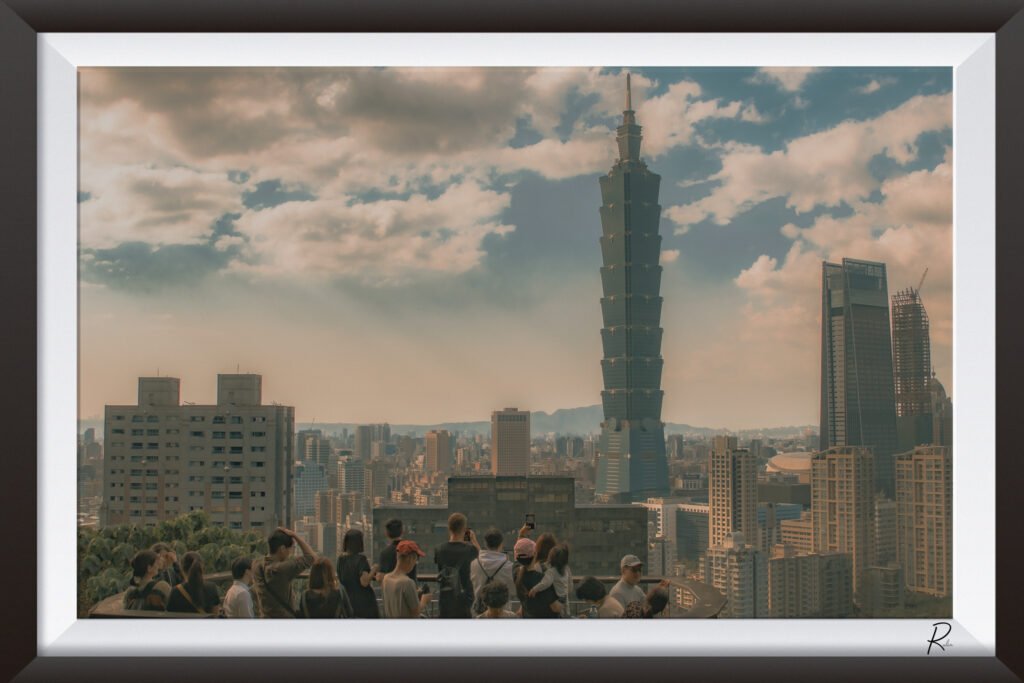
However, the most famous viewpoints can become crowded, and getting a clear photograph may take patience. Be considerate of other visitors: take your pictures, make room for the next person, and avoid blocking narrow paths.
Remember that visibility depends on the weather. Clouds, haze, rain, and humidity can affect how much of the skyline you can see. If the city is covered by low cloud, you may not get the clear Taipei 101 view you hoped for. That is simply part of travelling outdoors.
Even if the weather is not perfect, the walk can still be enjoyable. The trail offers a chance to slow down and experience a greener side of Taipei.
What Is the Best Time to Go to Elephant Mountain?
For travellers who want to see Taipei in daylight and watch the city lights appear, late afternoon is a popular choice. Arriving before sunset gives you time to climb, find a viewpoint, and enjoy the changing light.
However, sunset is also one of the busiest periods. If you prefer a quieter experience, consider going early in the morning or visiting outside the busiest hours. Morning light can be attractive for photography, and the trail may feel more peaceful, although conditions vary by day.
The best time depends on what you want from the visit.
- Late afternoon and sunset: Choose this time if you want to photograph Taipei 101 in warm light and see the city transition into evening. Give yourself enough time to reach a viewpoint before sunset rather than arriving at the trailhead at the last minute.
- Early morning: This can be a good option for travellers who prefer cooler conditions and a calmer atmosphere. The view depends on visibility, so an early start does not guarantee a clear skyline.
- Midday: The trail remains an option during the day, but the sun and humidity can make the steps more tiring, especially in warmer months. Bring water and take breaks as needed.
- After dark: The city lights can be beautiful, but you should plan for the return walk as well as the climb. Check the latest trail conditions, carry a light, and stay on the marked route. Do not assume every section will be equally well lit.
Taipei’s sunset time changes throughout the year, so check the local forecast and sunset time for your actual travel date. If photography is your main goal, also check cloud cover and visibility.
Elephant Mountain Taipei: How to Get There
For most visitors, the easiest way to reach Elephant Mountain is by Taipei MRT.
Take the Tamsui–Xinyi Line, commonly known as the Red Line, to Xiangshan Station (象山站). Xiangshan is the line’s eastern terminal. From the station, follow the signs towards Xiangshan Park and the hiking trail.
Exit 2 is a useful starting point for finding your way towards the trail area. From there, continue on foot and follow the local signs for Xiangshan Hiking Trail (象山步道). Allow extra time for the walk from the station to the trail entrance, since the exact time depends on your route and walking pace.
If you are coming from another part of Taipei, the MRT makes the journey straightforward. Check the Taipei Metro route planner for the best connection from your starting station. Travel times vary depending on where you begin and whether you need to change lines.
You can also use a taxi or a ride-hailing service to get closer to the trail area, but traffic and the final drop-off point may affect the convenience of this option. If you are unfamiliar with the neighbourhood, public transportation and walking directions are usually a practical combination.
Once you reach the area, follow the signs instead of relying only on a map pin. There may be more than one path or access point in the surrounding park and hillside network.
A small planning tip: save the Chinese name 象山 on your phone. It can be helpful when checking directions, reading local signs, or asking for assistance.
How Long Does It Take to Walk Up Elephant Mountain, Taipei?
The answer depends on how far you want to go and how much time you plan to spend at the viewpoints.
Some visitors walk to a main viewing area, take photographs, and return the way they came. Others continue along the connected trails or spend longer enjoying the skyline. The official Taipei Travel listing gives an estimated walking time of around 1 hour and 40 minutes for the described route, but individual experiences will differ.
For planning purposes, allow extra time rather than relying on the quickest reported climb. The uphill steps may take longer if you are travelling with children, walking with someone who needs frequent rests, or visiting during a busy period.
It also helps to separate the climbing time from the entire visit. Your overall outing includes getting from Xiangshan MRT Station to the trail, walking uphill, stopping for photographs, enjoying the view, and returning to the station.
If sunset is your goal, leave a comfortable buffer. Crowded viewpoints can slow you down, and you may want to stay after sunset to photograph the city lights. You will also need time to walk back down safely.
The most useful approach is to plan a flexible visit. Give yourself enough time to enjoy the experience without feeling pressured to rush to the top and immediately leave.
What to Bring for the Elephant Mountain Hike
You do not need to pack like you are going on a long wilderness expedition, but a few simple items can make the walk more comfortable.
- Comfortable shoes with good grip are the first priority. The trail has many steps, and wet surfaces can be slippery. Avoid footwear that makes you feel unstable on stairs.
- Drinking water is useful, especially on hot or humid days. Even a short climb can feel demanding when the weather is warm.
- A light rain jacket or compact umbrella may be helpful because Taipei’s weather can change. Check the forecast before leaving, and reconsider the hike if severe weather is expected.
- A phone or camera will help you capture the skyline. Make sure your device has enough battery, particularly if you intend to stay until after sunset.
- A small bag is enough for your essentials. Carry only what you need, and take your rubbish back down with you.
If you plan to descend after dark, bring a reliable light and be careful on the steps. Wear clothing suitable for the weather, and let someone know your plans if you intend to explore the longer trails.
Photography Tips for Elephant Mountain
Photography Tips for Elephant MountainElephant Mountain is a favourite location for skyline photography, but you do not need expensive equipment to enjoy taking pictures here.
First, think about timing. If you want both daylight and city lights, arrive well before sunset. That gives you a chance to find a suitable viewpoint and take photographs as the light changes.
Second, be patient. The popular viewing areas can be busy, and other visitors will also want photographs. Wait for a clear moment rather than pushing into a crowded spot.
Third, consider the composition. Taipei 101 is an obvious focal point, but including the surrounding buildings helps show the scale of the city. Try a few different angles instead of taking every photograph from exactly the same position.
If you use a smartphone, tap the skyline or tower on the screen to help set focus and exposure. In low light, keep your phone steady and avoid leaning over edges or climbing onto unsafe surfaces to get a better angle.
Finally, take a moment to enjoy the view without your camera. It is easy to spend the entire visit looking at a screen. Sometimes the most memorable part is simply watching the city change as evening arrives.
Frequently Asked Questions About Elephant Mountain Taipei
Elephant Mountain Taipei how to get there?
Take the Taipei MRT Tamsui–Xinyi (Red) Line to Xiangshan Station (象山站). From the station, use Exit 2 as a starting point and follow signs towards Xiangshan Park and Xiangshan Hiking Trail. Allow extra walking time between the station and the trail entrance, and check the official Taipei Travel page for current access information.
What is the best time to go to Elephant Mountain?
Late afternoon is a popular choice because you can enjoy the view before sunset and watch the city lights come on. It is also a busy time, especially at well-known viewpoints. Early morning may suit visitors who prefer a quieter walk. Check the weather and sunset time for your travel date, since cloud and haze can affect visibility.
How long does it take to walk up Elephant Mountain, Taipei?
The time depends on your pace, route, and how often you stop. Taipei Travel lists an estimated walking time of around 1 hour and 40 minutes for its described trail route. Allow additional time for the journey from the MRT station, photographs, rest breaks, and the return walk. If you plan to stay for sunset, leave a comfortable time buffer.
Is Elephant Mountain worth visiting?
Yes, especially if you want an outdoor experience and a well-known view of Taipei 101 without leaving the city. The trail combines greenery, stairs, and skyline viewpoints. It is particularly appealing to travellers who enjoy photography or want a short hike as part of a Taipei itinerary. Just be prepared for the uphill steps and possible crowds.
Is Elephant Mountain difficult to hike?
The main trail is relatively short, but the many stairs can make it physically demanding for some visitors. Your experience will depend on your fitness, the weather, and how often you rest. Wear shoes with good grip, bring water, and take your time. If stairs or steep paths are difficult for you, consider whether this trail is suitable for your needs before visiting.
Can you visit Elephant Mountain at night?
Taipei Travel lists the trail as open 24 hours, but actual access can be affected by maintenance, weather, or safety restrictions. If you plan to visit after sunset, check current official notices, carry a light, stay on the marked trail, and take extra care on the steps. Avoid hiking in severe weather or when visibility is poor.
Final Thoughts: Seeing Taipei from Elephant Mountain
Elephant Mountain, or Xiangshan, is a reminder that you do not always need to travel far from a city to find a rewarding outdoor experience. A climb up the hillside offers a different view of Taipei, with its modern skyline, surrounding hills, and the unmistakable shape of Taipei 101.
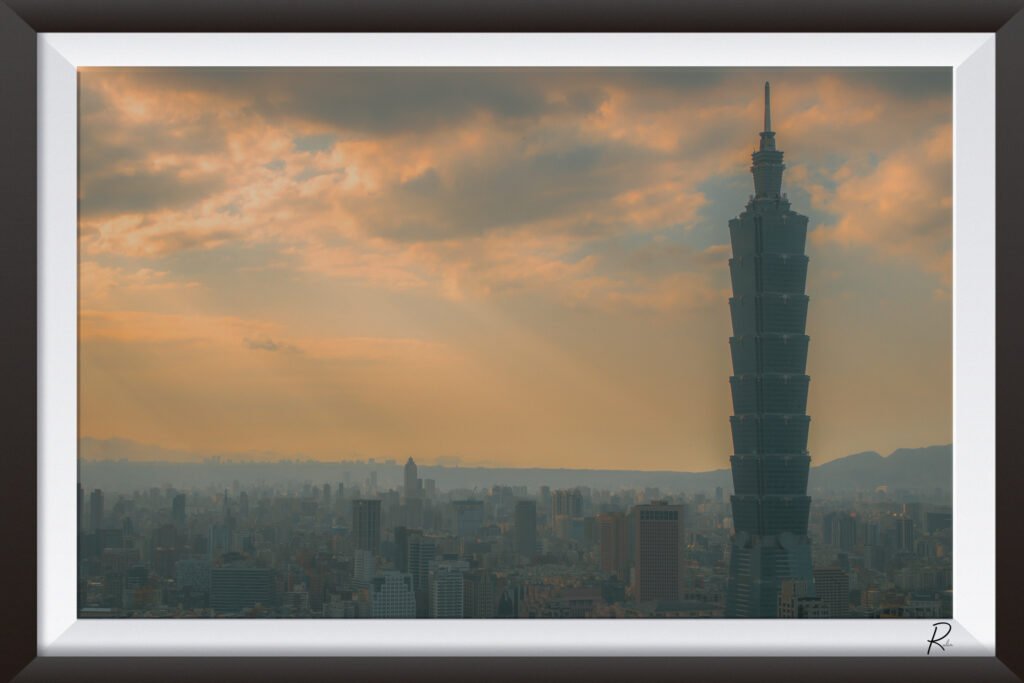
The walk may leave your legs tired, especially if you are not used to climbing stairs, but you can take it slowly and enjoy the journey along the way. Plan your visit around the weather, allow enough time for the climb and descent, and be prepared for crowds if you want to see the sunset.
For me, the appeal of a place like Elephant Mountain is not only the photograph at the top. It is also the change of pace: leaving the busy streets behind for a while, walking among the trees, and seeing a familiar city from a new angle.
If you are planning a trip to Taiwan, consider adding Elephant Mountain to your Taipei itinerary. Bring comfortable shoes, keep your plans flexible, and give yourself enough time to enjoy the view instead of rushing through it.
Sometimes, a different perspective is only a short hike away.

930 x 180
AD PLACEMENT
2 thoughts on “Elephant Mountain Taipei: A Personal Guide to Hiking Xiangshan”