Taipei Sightseeing: 5 Best Places to Visit in Taipei, Taiwan
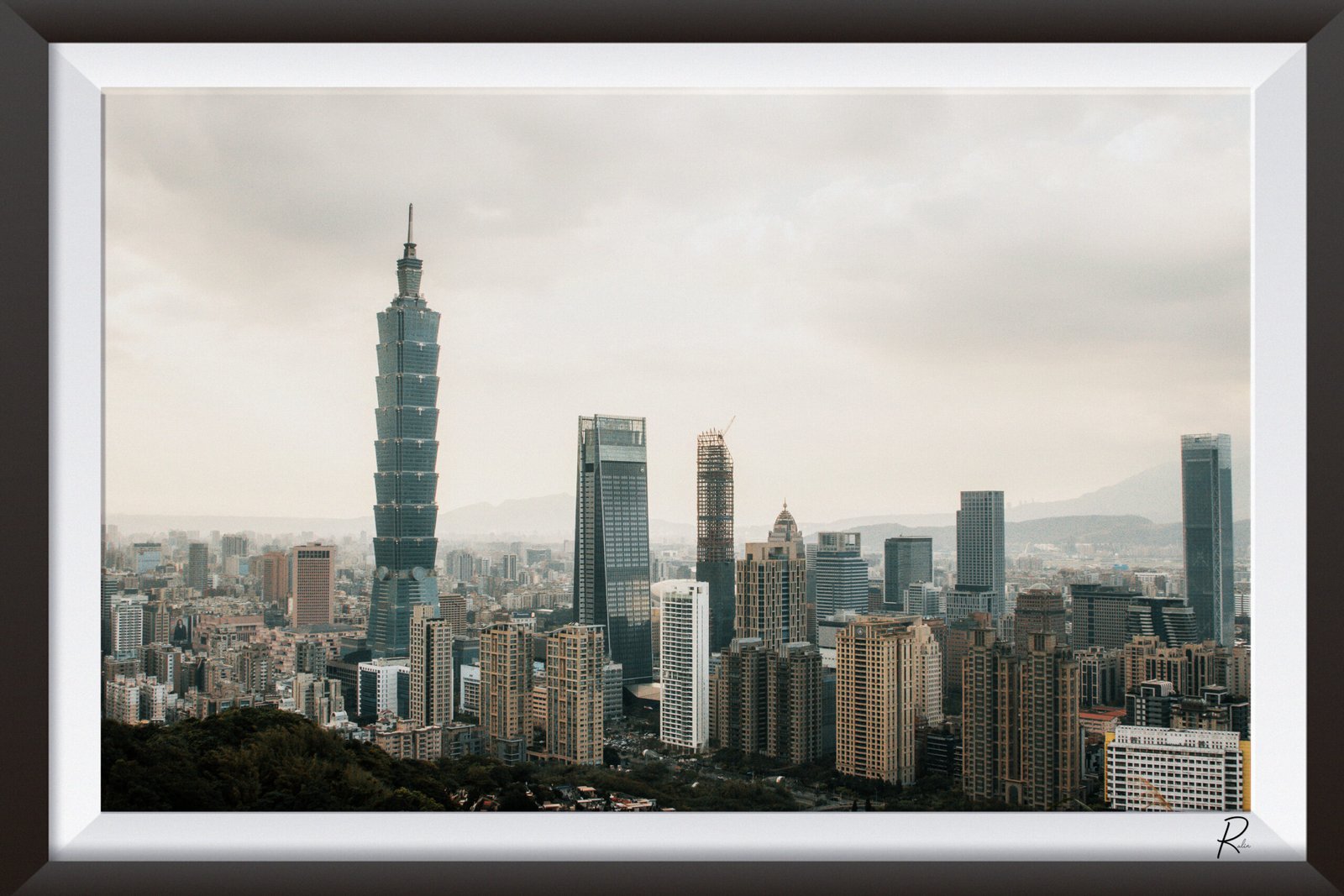
I’ll be honest: the first time I looked at a map of Taipei, I panicked a little. So many districts, so many night markets, so many temples with names I couldn’t pronounce.
Where do you even start?
Here’s the good news. Taipei sightseeing is a lot easier than it looks. The city is compact, the subway is clean and cheap, and the best sights are spread along just a few MRT lines. You don’t need a spreadsheet. You need good shoes and a decent appetite.
So I cut the list down to the 5 best places to visit in Taipei. Think of this as the greatest-hits album, not the box set. If you’re a first-timer flying in from the USA, these five will give you the skyline, the history, the spiritual side, the views, and the old-school street life. Let’s go.
Best Places for Taipei Sightseeing: The Top 5
Here’s the quick view before we dig in.
1. Taipei 101
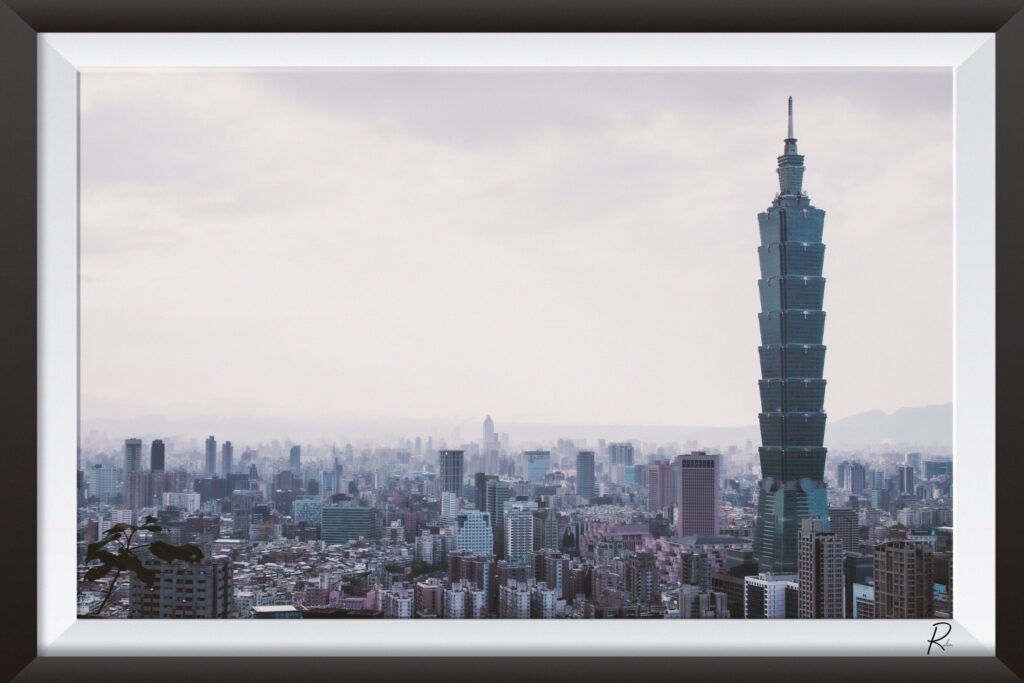
You can’t miss it. Literally. At 508 meters and 101 floors, Taipei 101 was the tallest building in the world when it opened in 2004, and it still dominates the skyline like a very tall, very stylish bamboo stalk. That’s the design idea, by the way. Each section looks like a stack of segments, a nod to bamboo and to the Chinese number eight, which is considered lucky.
What to do here:
- Ride the elevator up to the indoor observatory. It’s one of the fastest in the world, and your ears will notice.
- Check whether the outdoor deck is open. It depends on the weather and wind, so treat it as a bonus.
- Spend the first few floors of the mall window shopping. Or actually shopping. No judgment.
- Eat dumplings downstairs. This part is non-negotiable, because Taiwan takes dumplings seriously.
Insider tip: Go about an hour before sunset. You get daylight, golden hour and city lights, all for one ticket. It’s the best deal in Taipei sightseeing, and nobody tells you that.
Getting there: Take the Red Line to Taipei 101/World Trade Center station. The exit practically drops you inside the mall.\
2. Chiang Kai-shek Memorial Hall

If Taipei 101 is the city’s modern face, the Chiang Kai-shek Memorial Hall is its history lesson, and the building is a showstopper.
White marble walls, a deep blue octagonal roof, and a huge staircase leading up to a statue of the former president. It opened in 1980 and sits in the middle of Liberty Square, a giant open plaza with a grand gate at the entrance.
A quick word on context. Chiang Kai-shek is a complicated figure in Taiwanese history, and locals have many different opinions about him. Visiting is a great way to understand how Taiwan thinks about its past. The museum inside covers his life and the era he led.
What to do here:
- Climb the stairs. Yes, all of them. The view back across the square is worth it.
- Watch the changing of the guard inside the main hall. It’s precise, slow and kind of hypnotic.
- Walk around the gardens next door, where you’ll find ponds and quiet corners.
- Catch a performance or festival if one is happening. The plaza hosts big events all year.
Cost: Free to enter and walk around.
Getting there: The Chiang Kai-shek Memorial Hall MRT station is on the Red and Green lines, so it’s easy to fit into any day.
3. Longshan Temple
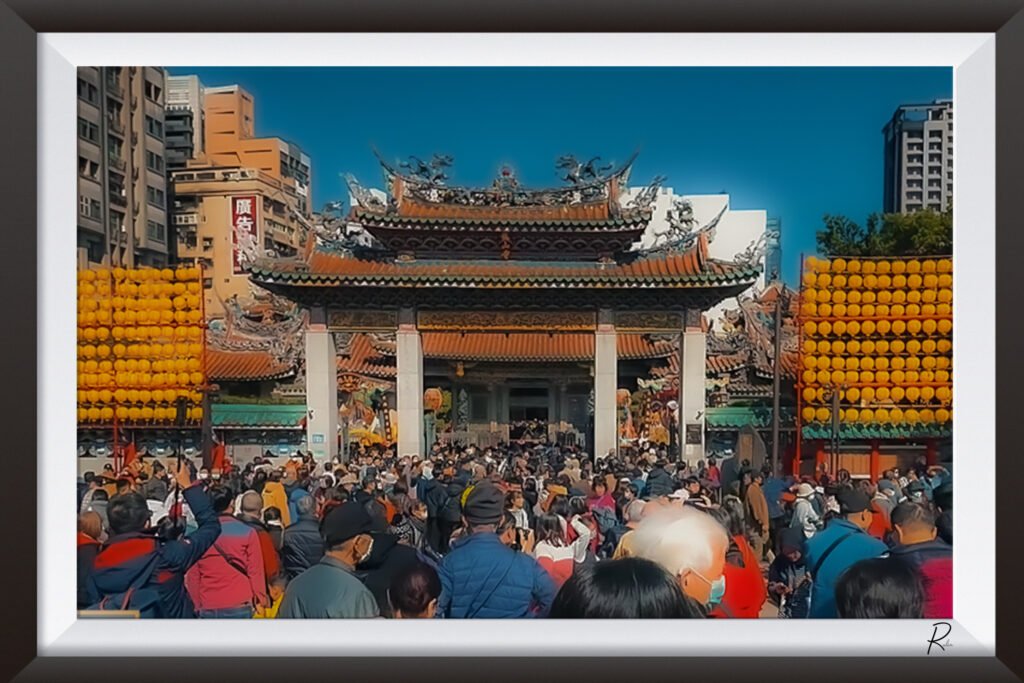
Here’s where Taipei gets spiritual, and a little bit magical. Longshan Temple in the Wanhua district dates back to 1738. Settlers from China’s Fujian province built it, and today it’s still a working temple, not a museum. That means you’ll see locals praying, burning incense, and tossing wooden blocks to ask the gods a question.
The details are what hit you. Dragon sculptures curl over the rooftops. Stone pillars are carved so finely you’ll want to touch them (please don’t). And the smell of incense hangs in the air like a soft gray blanket.
How to be a good visitor:
- Dress modestly and keep your voice down.
- Don’t point your feet at altars or block people who are praying.
- Ask before taking photos of people in the middle of worship.
- Walk in through the right-hand door and out through the left. It’s tradition.
I’ll admit something here. I’m not a religious person, but standing in that courtyard at dusk, watching people pray and light candles, felt oddly calming. It reminded me that sightseeing isn’t only about ticking boxes. Sometimes it’s about slowing down.
Cost: Free. Getting there: Take the Blue Line to Longshan Temple station. The temple is right outside. When you’re done, the nearby Huaxi Street and Bopiliao Old Street areas are great for a short walk.
4. Elephant Mountain (Xiangshan)
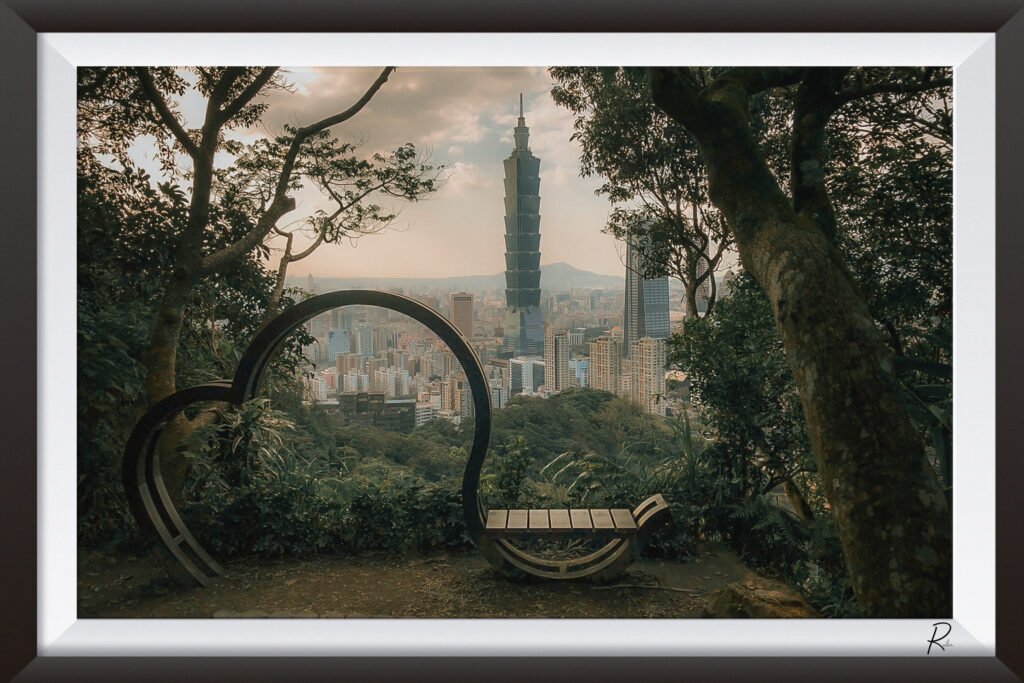
Now for the postcard shot. You know the one: Taipei 101 glowing between tall buildings with the city stretching out below. That photo is taken from Elephant Mountain, and getting there is a workout, but a short one.
The trailhead starts at Xiangshan MRT station (Red Line, Exit 2). The hike is mostly stone steps, and most people take around 20 to 30 minutes to reach the main viewing platform. You’ll sweat. You’ll puff. And then you’ll stand on a pile of big boulders with a city of millions at your feet, and you’ll forget all about your legs.
Tips for a better climb:
- Bring water. Taipei is humid, even in the cooler months.
- Wear real shoes. The steps can get slippery after rain.
- Go at sunset or just after dark for the best light. Bring a small flashlight or use your phone.
- Expect a crowd at the main platform. Be patient and take turns for photos.
Cost: Free. This is one of the best free things to do in Taipei, and it’s great for Taipei photography spots too.
5. Dihua Street
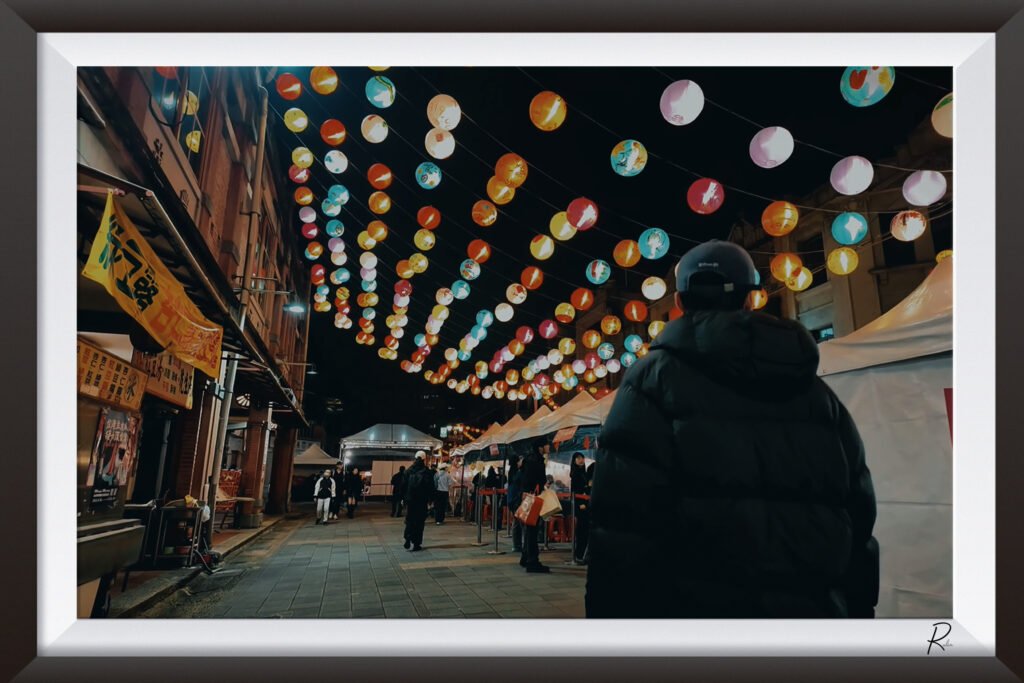
After all those big sights, Dihua Street is the cozy encore. It’s one of the oldest commercial streets in Taipei, in the Dadaocheng area, and it feels like a time machine with a snack bar. Narrow, historic buildings line both sides, and the shops sell herbal medicine, dried mushrooms, tea, fabrics and trinkets that make great souvenirs.
The street gets especially lively before Lunar New Year, when locals stock up on treats and decorations. But it’s fun all year, and it’s a good spot for Taipei historical attractions without crowds shouting in your ear.
What to do here:
- Browse the traditional shops and try a few samples.
- Stop at a small cafe or teahouse in a restored old building.
- Hunt for Taiwanese tea and pineapple cakes to take home.
- Walk toward the riverside for a view of the Tamsui River and a break from the bustle.
Cost: Free to walk around. Getting there: Beimen MRT station on the Green Line is the closest, and from there it’s a short walk.
Frequently Asked Questions About Taipei Sightseeing
What are the best places for sightseeing in Taipei?
Start with Taipei 101, Chiang Kai-shek Memorial Hall, Longshan Temple, Elephant Mountain and Dihua Street. Together they cover modern landmarks, history, religion, views and old-style shopping. If you have extra time, add Raohe Night Market and Daan Forest Park.
How many days do you need for sightseeing in Taipei?
Three days is a comfortable number for most visitors. That gives you time for the main sights, a night market or two, and a slower day to wander. If you’re short on time, two days can cover the highlights without too much rushing.
What are the must-see attractions in Taipei?
Taipei 101 and the Chiang Kai-shek Memorial Hall are the big icons. Longshan Temple is the top cultural stop, and Elephant Mountain gives you the best skyline view. Add a night market to taste the city’s food culture.
What are the best free things to do in Taipei?
Plenty of top spots cost nothing. Chiang Kai-shek Memorial Hall, Longshan Temple, Elephant Mountain, Dihua Street and Daan Forest Park are all free. Night markets are free to walk through, so you only pay for the snacks you want.
What are the best places to visit in Taipei at night?
Raohe Night Market and Ximending are the classic picks for food and neon lights. Taipei 101 is also lovely after dark. Elephant Mountain after sunset is another great option, as long as you bring a light and take it slow.
What is the best time to visit Taipei?
Autumn (October to December) and spring (March to April) are usually the most comfortable seasons. Summer is hot and humid, and typhoons can show up between roughly July and October. Winter is mild but often rainy, so pack a light jacket and umbrella.
Is Taipei easy to explore by public transportation?
Yes, very. The MRT connects most major sights, and the stations have English signs and announcements. Buses fill in the gaps. A rechargeable transit card makes it all simple, so you rarely need taxis or a rental car.
Can you explore Taipei in one day?
You can see the highlights in one day, but it will be a busy one. Pick three or four places in the same area, use the MRT, and skip anything that needs a long detour. One day is a good taste, not a full meal.
What are the best hidden gems in Taipei?
Try the quieter side streets around Dihua Street, the old shops near Longshan Temple, and local neighborhood parks. Smaller temples and tiny teahouses often feel more personal than the big attractions. Ask a shop owner for a recommendation, and you might get a great tip.
What are the best photography spots in Taipei?
Elephant Mountain is the top spot for skyline photos. Taipei 101 itself, the white-and-blue Memorial Hall, and the carved rooftops of Longshan Temple are also great subjects. Go early or at sunset for softer light and smaller crowds.
Final Thoughts: Your Taipei Adventure Starts Here
Taipei isn’t the kind of city that shouts for attention. It’s the kind that quietly wins you over, one dumpling, one temple, one skyline view at a time. These five places are a strong start, and honestly, they’re just the opening act.
So here’s my challenge: pick your top two from this list, put them in your travel plan, and leave a little room for surprises. The best Taipei sightseeing moments are often the ones you didn’t plan.
Which place are you most excited to visit? Drop a comment below, share this guide with your travel buddy, and let me know what you’d add to the list. I read every comment.
930 x 180
AD PLACEMENT